MENU

Archive of experimental sounds

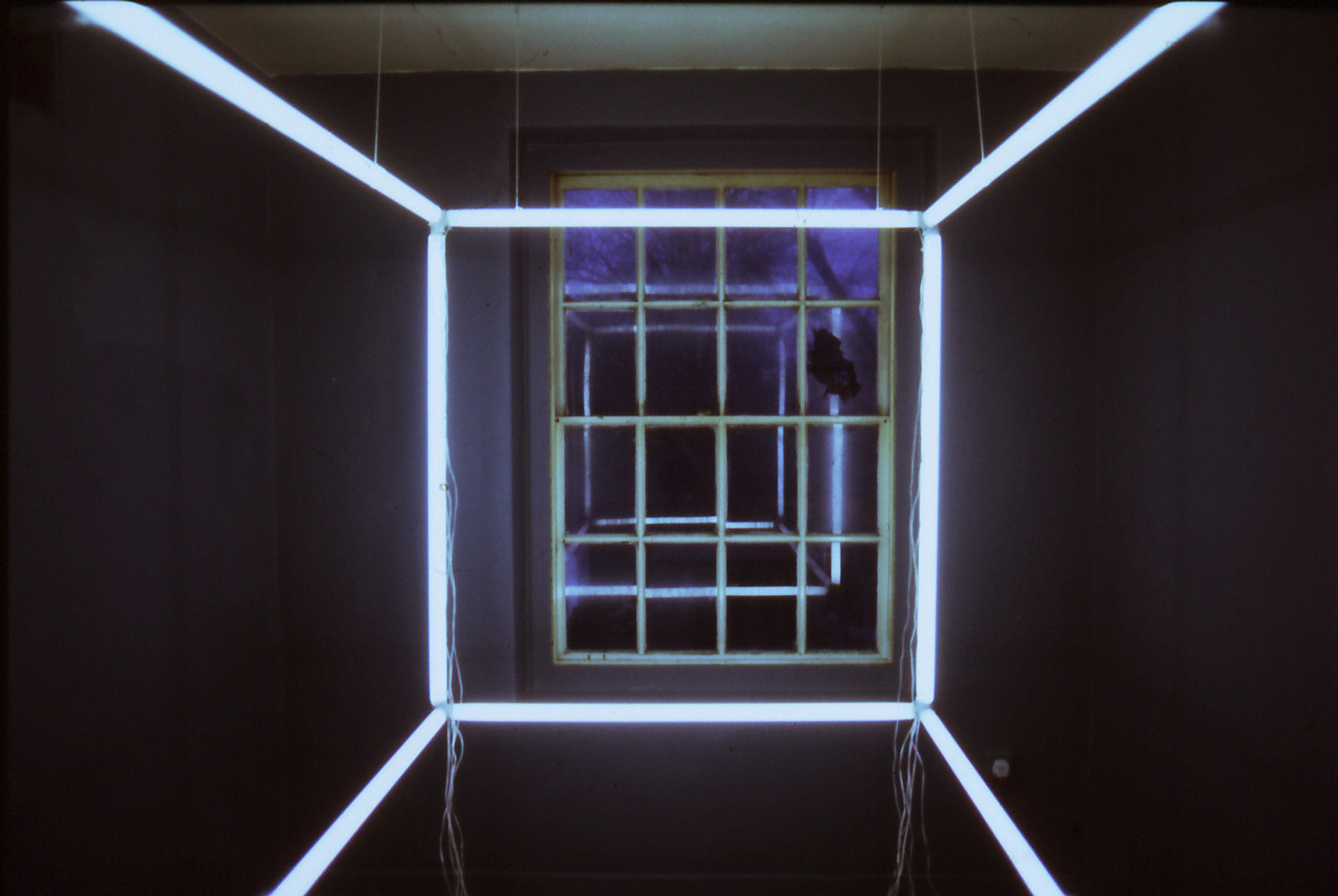
cube made of flourescent light tubes

This is a digital archive of experimental sound art, music and poetry created by John Grieve. Here you will find sound and poetry produced by mechanical devices, saxophone and voice. These are all free, independent, non commercial artworks in the public domain. All works are available to stream for free however some of the recordings are also available to buy on vinyl or CD.

Featured works

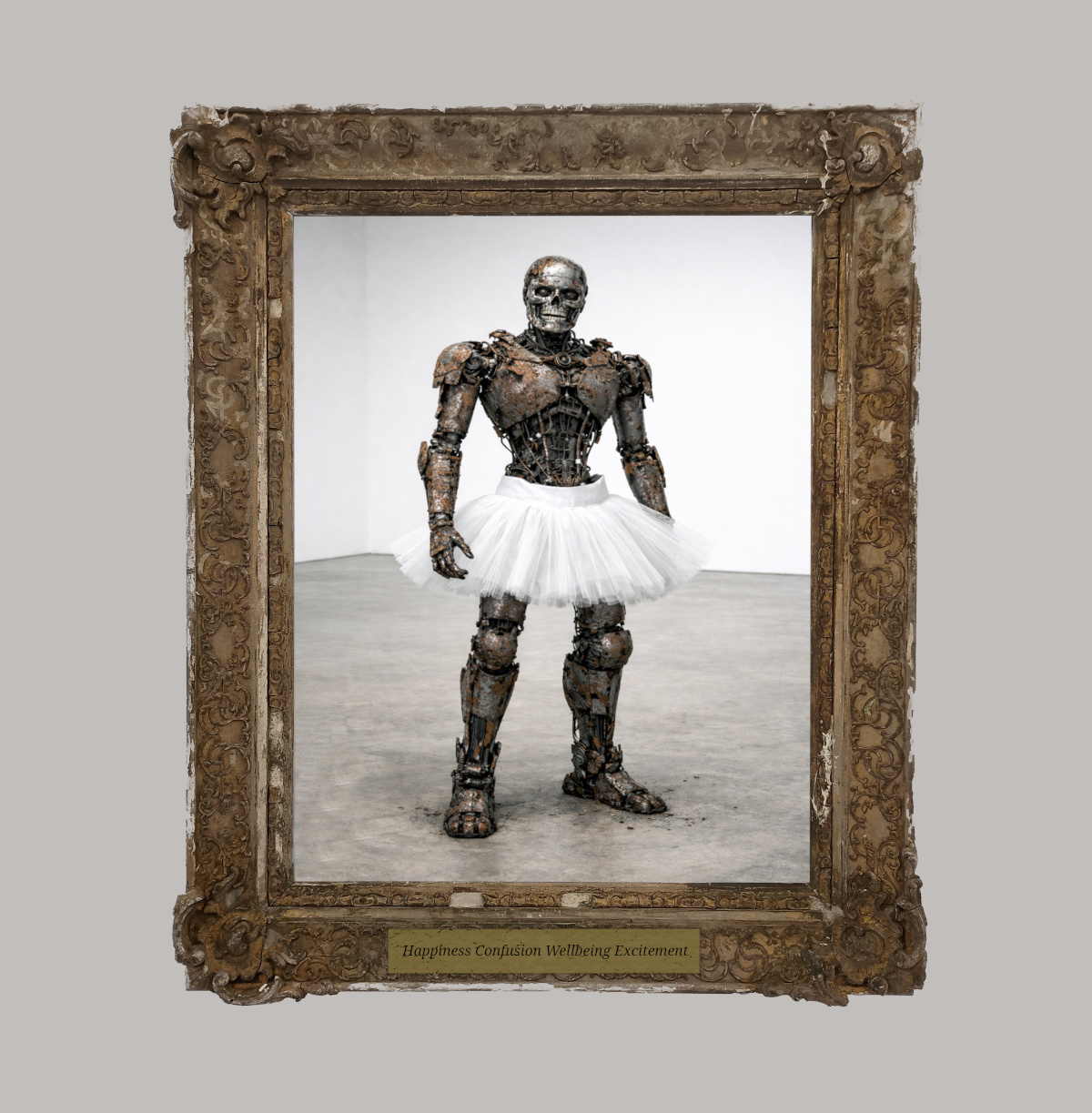
album cover for HOM9 the humanoid robot that can read braille by hastings of malawi

Happiness Confusion Wellbeing Excitement - a 20 minute sound poem by Hastings of Malawi which operates at the boundary between music, poetry and linguistic experiment. The piece oscillates between human expressivity and machinic process combining technical vocabulary, phonetic play, instructional language and machine operations. The question "Was it written by a machine?" is one of its central concerns.

Duration 19:39.

all covers of the hastings of malawi white albums

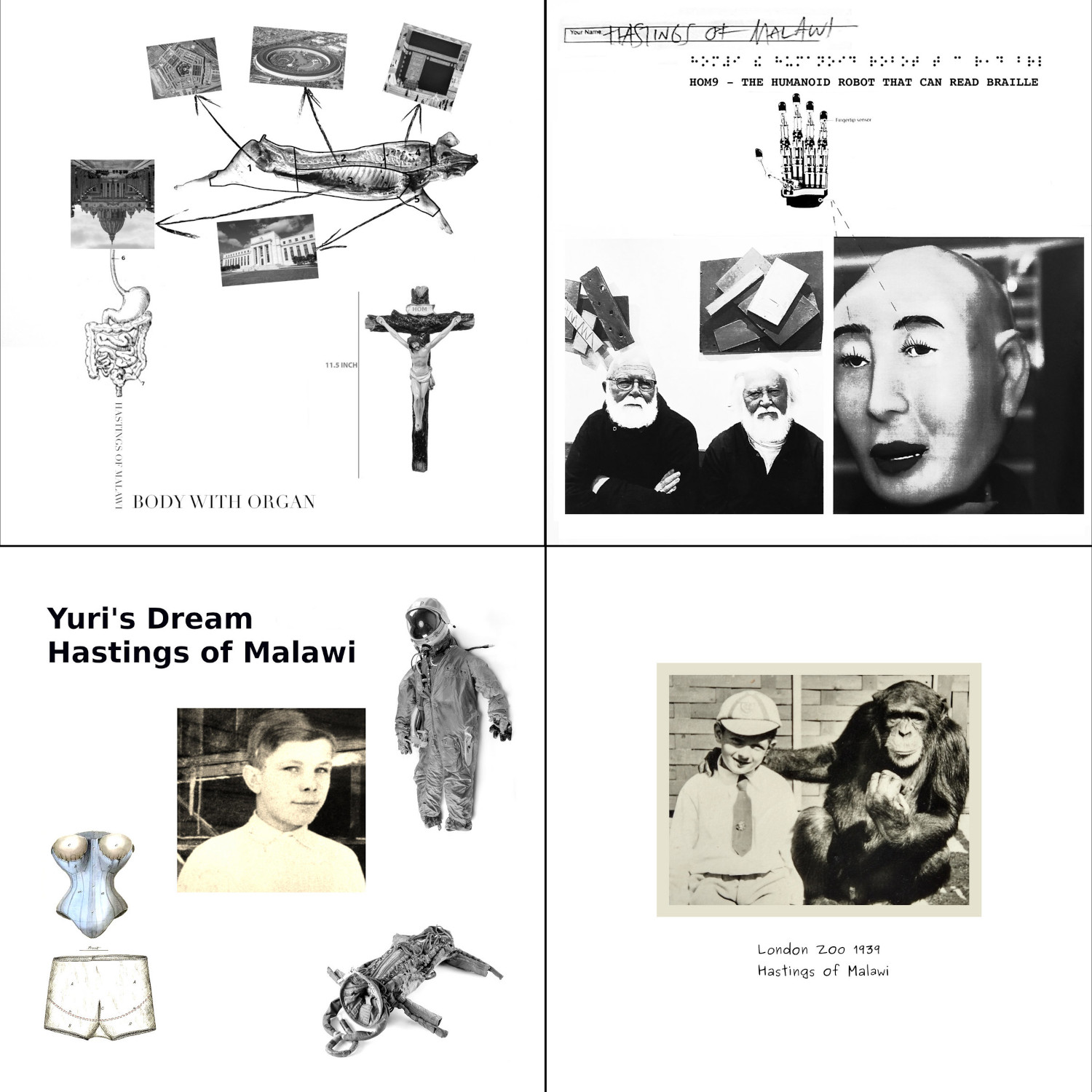
The White Albums - Four extended poems by Hastings of Malawi

Body with Organ, HOM9 the Humanoid Robot that can Read Braille, Yuri's Dream and London Zoo 1939

Confidently (and reasonably accurately) described by an unhearing large language model as raw sometimes sparse or unresolved, process-driven, sonic material. Hovering between structure and collapse with a deliberate opacity around context and without the scaffolding of narrative or genre. What they’re “about” is less narrative and more condition - the boundaries are intentionally porous but they lean into materiality, decay, absence, erasure, dislocation, anonymity and joy.

All released on the Papal Products label. All Hastings of Malawi releases can be heard here.

Popular on YouTube this video shows "groan tubes" attached to bicycle wheels. This sound sculpture was created by John Grieve in 2014. Groan tubes are related to reed organ pipes. They are sounded by a reed which moves within a tube thus changing the pipe length and the frequency of the note produced. Other organ pipe experiments can be seen here where you can also see the machine as part of a sound performance.

Film used as the projection backdrop for a recent Hastings of Malawi performance in Wroclaw Poland.

Duration 20 minutes.

Sound painting for human voice with randomly produced sine waves. Three of the speakers are attached to a processor that generates sine waves at random intervals and of random pitch and random length. The two larger speakers play separate human voices.
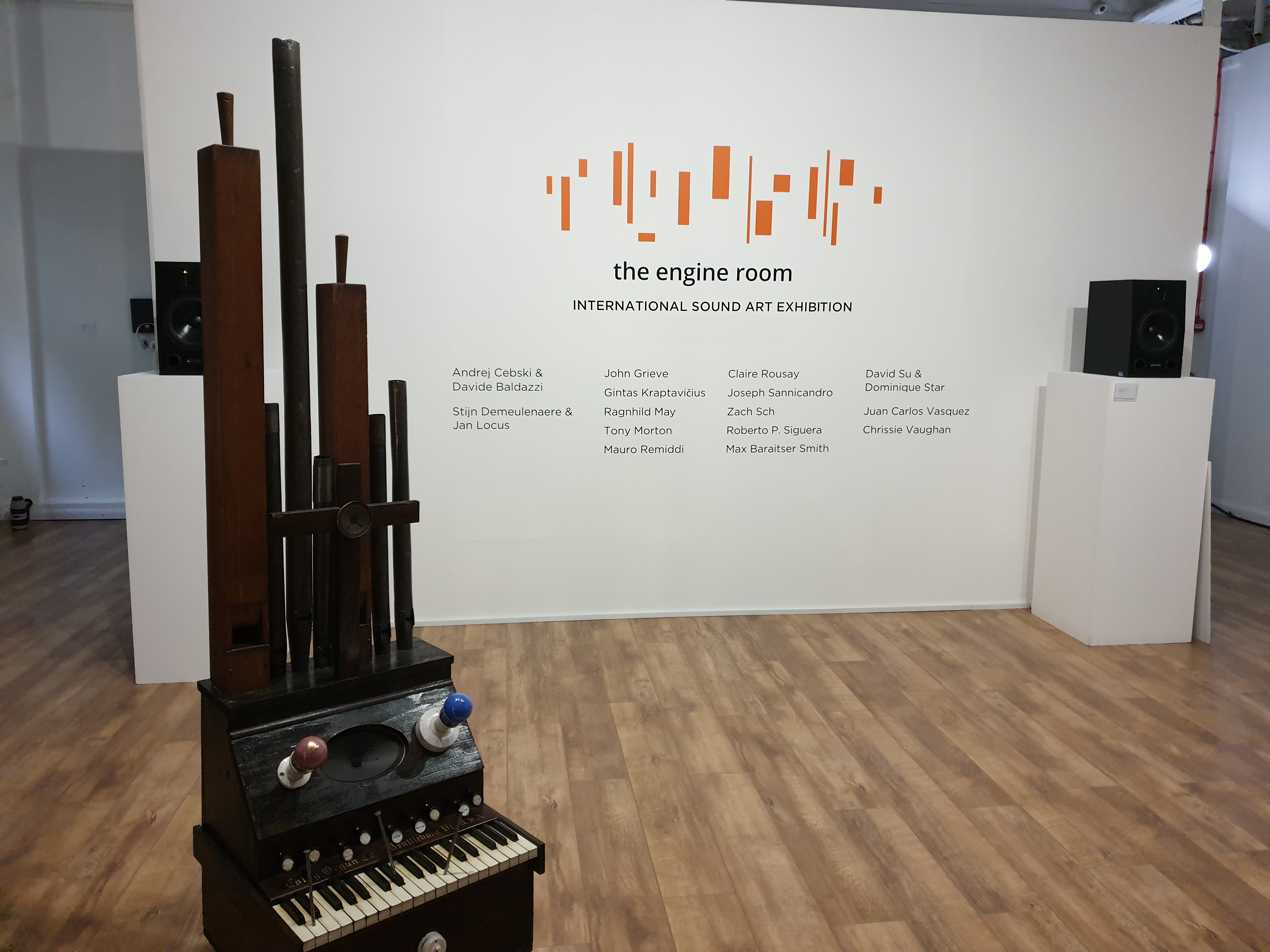
image of engine room art exhibition

Meaning Machine #2 - a sound sculpture for organ pipes and speakers that merges the manual of a church organ with a cruciform structure and seven organ pipes. It draws on Christian iconography, incorporating nails and the crucifix alongside a traditional liturgical instrument. Three nails are driven into the keyboard, fixing down keys spaced a tritone apart, historically known as the “diabolus in musica” or “devil’s interval.” Within the body of the instrument, a fan mechanism activates the organ pipes, while an internal playback system runs two audio tracks through embedded speakers, one of which is positioned at the centre of the crucifix. Four organ stops are extended - vox humana, meaning, selfie, and truth.

A church organ dissected and its anatomy recorded. Melody, harmony, and rhythm replaced by air, vibration and resonance.

1. Recordings of individual organ pipes recombined as a digital evocation of the inside of a church. Duration 9 minutes.

2. From Windchest to Pipes as Metaphor - a microphone travels along the insides of a church organ from the windchest where the air is produced to the pipes. Duration 3 minutes

Various experiments with organ pipes made from wood, steel tubing and taken from church organs can be seen here.
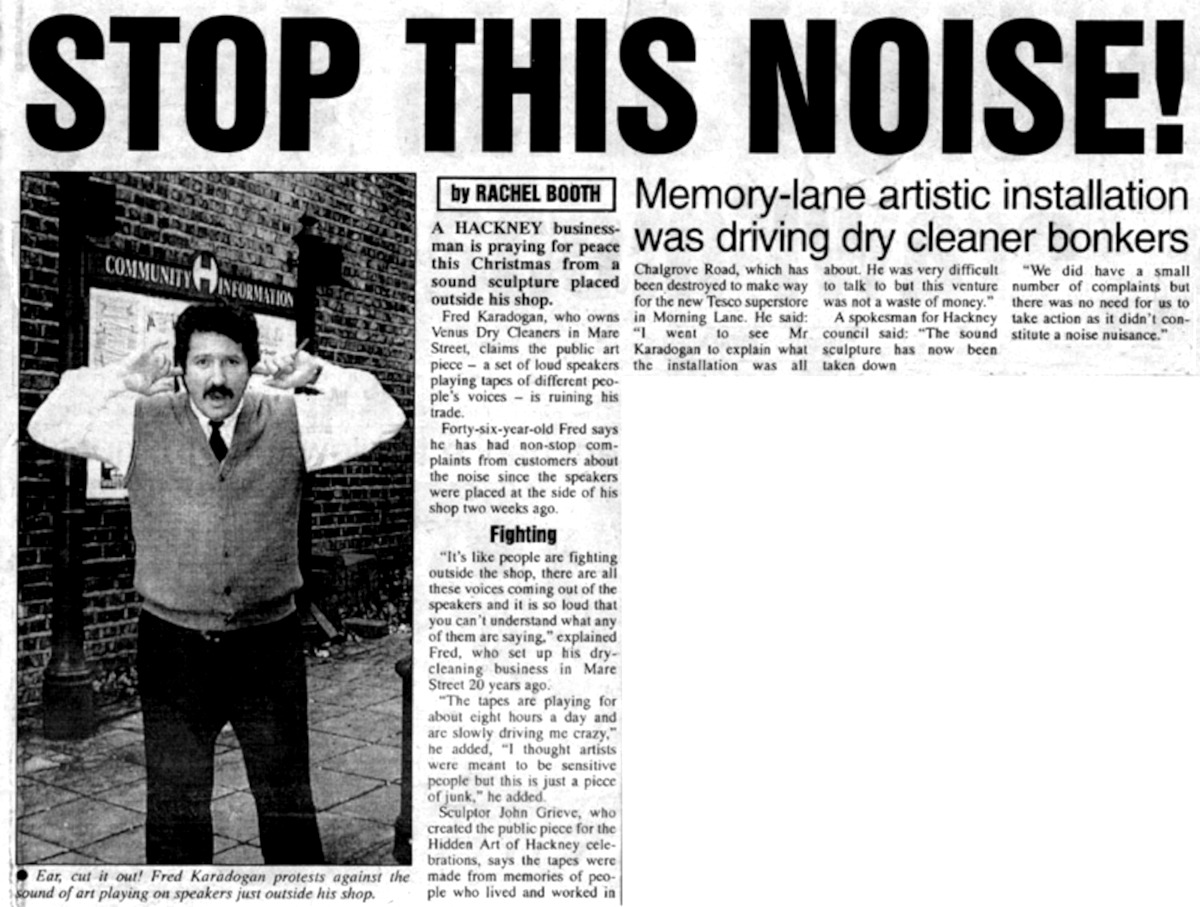
Clipping from the Hackney Gazette newspaper

When building a new supermarket in Hackney, London, Tesco Stores and Hackney Council commissioned a public sound art work as part of the development. The supermarket was built on a site where formerly there had been a street (Chalgrove Road). The work was an oral history of the missing road made from interviews with people who had lived on or near it between 1910 and 1970.
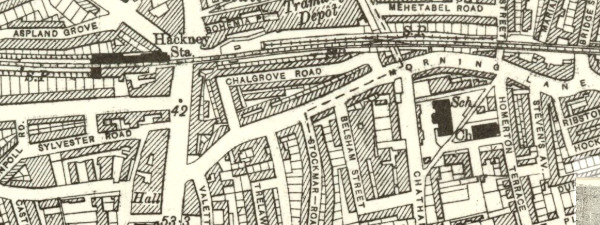
map of Chalgrove road Hackney
This map shows where the street used to exist.
This is an edited selection of some of the oral history. The Installation involved six audio speakers arranged around the site with random selections of oral memories played on each one evoking voices from the past that floated around the space. More work with spoken word can be heard here.